Recent News
-

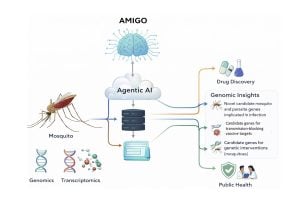
Supported by the Johns Hopkins Catalyst Awards program, the team will analyze mosquitos’ biological data to identify infection prevention strategies
-
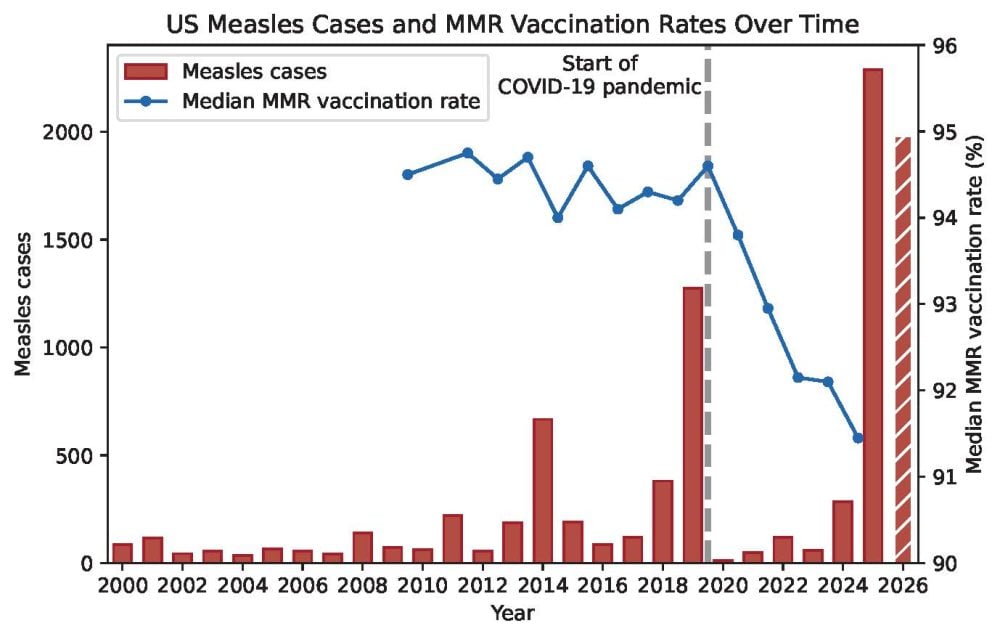
Gardner’s measles research uses a systems approach to understand disease risk by bridging population-level outbreak data, vaccination rates, and policy with individual-level information consumption and vaccination behaviors
-
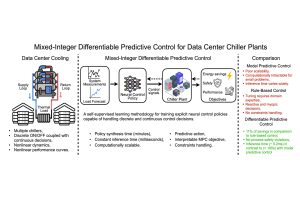
New AI-based methodology optimizes data center energy consumption to realize cost and energy savings
CategoriesA team of researchers, including Johns Hopkins’ Ján Drgoňa, has developed a machine learning control method to make real-time operational decisions for chiller plants, reducing data center energy use by nearly 12%
-
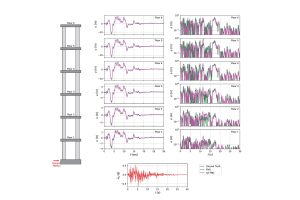
Quickly predicting how structures will respond to natural hazards, such as earthquakes and hurricanes, has long been one of civil engineering’s toughest challenges, requiring significant computational resources and time-consuming simulations.…
-
New survey finds significant link between 'new right' outlets and vaccine hesitancy
-
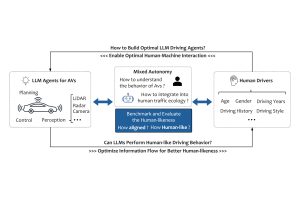
Can AI agents drive better than humans? Hopkins engineers put large language models behind the wheel
CategoriesEngineers find that LLMs can partially mimic human driving and decision-making behavior and align most closely with younger, more aggressive drivers
-
As electricity demand surges across the United States, a Johns Hopkins University initiative is helping states move faster—and more affordably—to expand grid capacity. The project, known as Leadership in Grid…
-
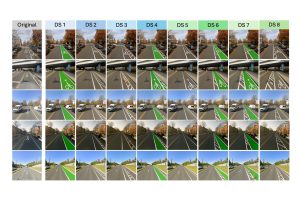
A team led by Johns Hopkins University researchers has developed a new AI-based model to improve bicycle safety and infrastructure
-
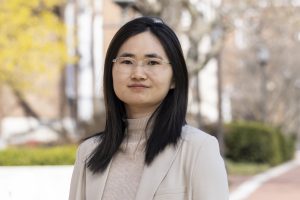
Xu is using AI to simulate and predict human behavior during wildfire evacuation, allowing for improved planning and safety measures
-

Johns Hopkins is part of the new multi-institution Learning Accelerated Domain Sciences (LEADS) Institute, a Department of Energy-funded collaborative initiative focused on reshaping how artificial intelligence supports scientific discovery. Supported through the Scientific Discovery…
-
A team of researchers from Johns Hopkins University shows a statistical link between vaccination exemption policies and declining U.S. measles-mumps-rubella vaccination rates
-

Engineers develop a new model to improve building integrity ahead of natural disasters