
Engineering
Design Center
Making an Impact
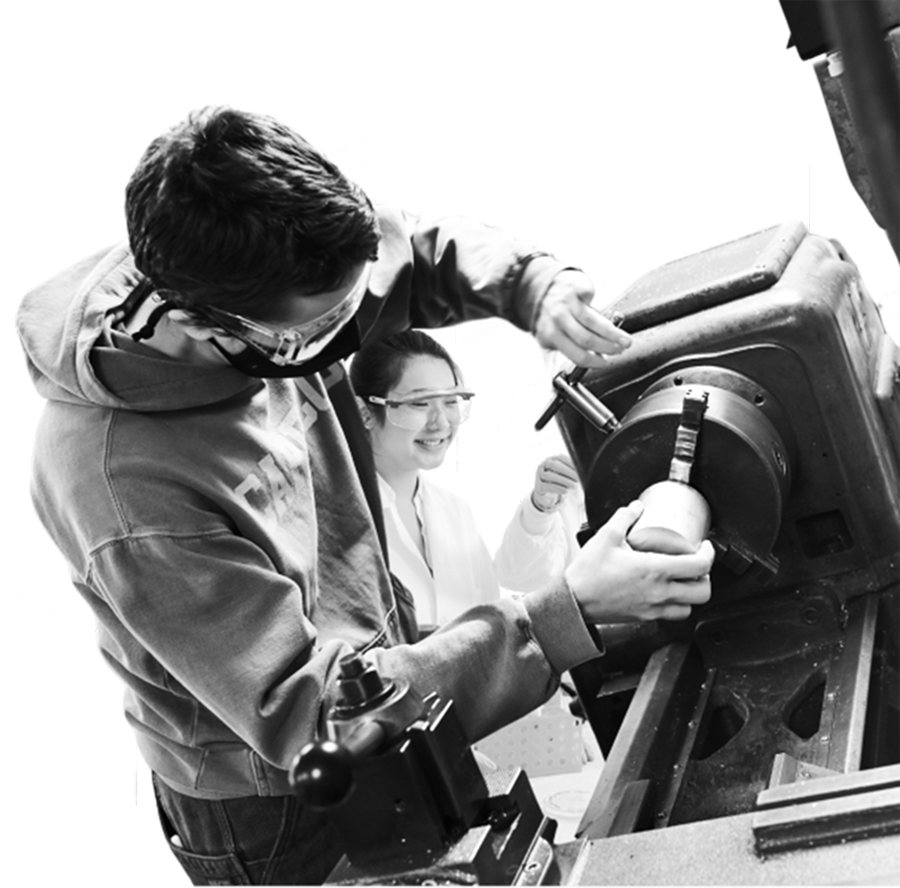
Undergraduate student design is integral to Hopkins Engineering’s educational mission and commitment to solving critical societal problems.
Here, you won’t just take in knowledge
You’ll create it
By the Numbers
design courses
graduates
design-focused
student groups
Day projects
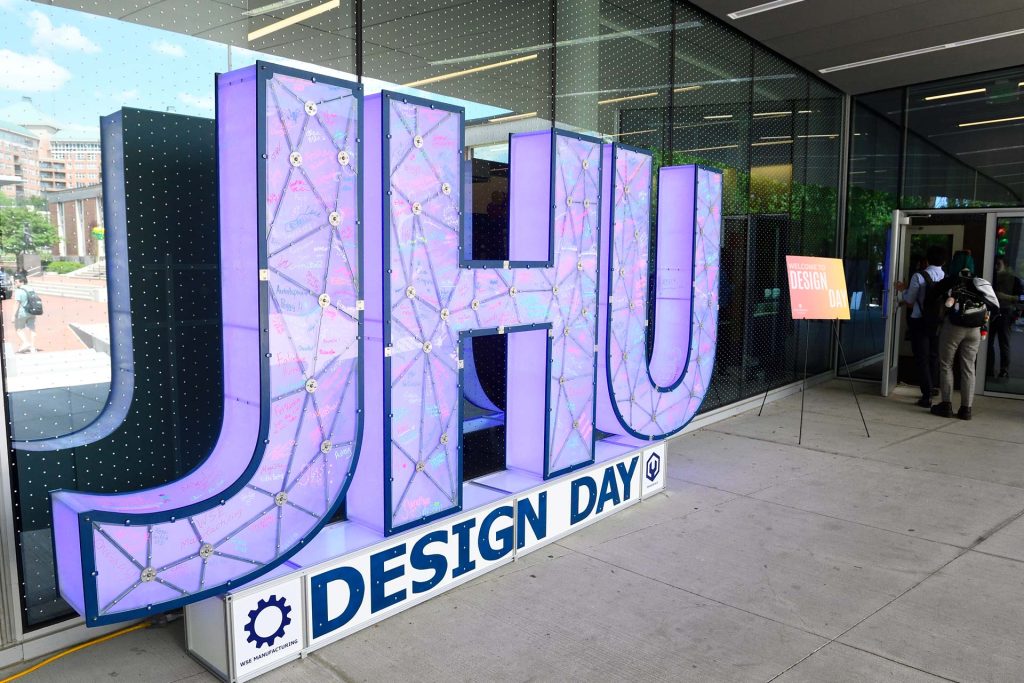
JHU Design Day 2026
A school-wide annual event showcasing student design projects from every engineering department, student groups, and more.
Congratulations to all on a fantastic 2026 event!
Information on JHU Engineering Design Day 2027 coming soon.
JHU Design Day
A school-wide annual event showcasing student design projects from every engineering department, student groups, and more.
Congratulations to all on a fantastic 2026 event!
Information on JHU Engineering Design Day 2027 coming soon.


Taliyah
Biomedical Engineering

It is wonderful to watch students from different departments work together to support better engineering design opportunities at Hopkins.
To identify what can satisfy students from every engineering perspective has been both challenging and rewarding, as I’ve learned leading the multidisciplinary student advisory board for the Design Center.
Kareem
Computer Engineering
The First Year Seminar Design CornerStone helped me get exposed to a wide range of engineering disciplines and introduced me to all the makerspace and departments opportunities at Hopkins!
I am excited to take advantage of all the resources available to strengthen my engineering skills.
Alexander
Materials Science and Engineering
Being granted the opportunity to lead a design team has offered me the skillset necessary to apply both engineering and leadership skills in a collaborative environment. I look forward to utilizing these experiences in the medical device space!
Testimonials
Taliyah
Biomedical Engineering
It is wonderful to watch students from different departments work together to support better engineering design opportunities at Hopkins.
To identify what can satisfy students from every engineering perspective has been both challenging and rewarding, as I’ve learned leading the multidisciplinary student advisory board for the Design Center.
Kareem
Computer Engineering
The First Year Seminar Design CornerStone helped me get exposed to a wide range of engineering disciplines and introduced me to all the makerspace and departments opportunities at Hopkins!
I am excited to take advantage of all the resources available to strengthen my engineering skills.
Alexander
Materials Science and Engineering
Being granted the opportunity to lead a design team has offered me the skillset necessary to apply both engineering and leadership skills in a collaborative environment. I look forward to utilizing these experiences in the medical device space!