Facts and Figures
While numbers may not tell the whole story, these statistics and highlights offer some insights into just how talented, driven, inspiring, and accomplished the members of Johns Hopkins Engineering’s class of ’28 are.


While numbers may not tell the whole story, these statistics and highlights offer some insights into just how talented, driven, inspiring, and accomplished the members of Johns Hopkins Engineering’s class of ’28 are.
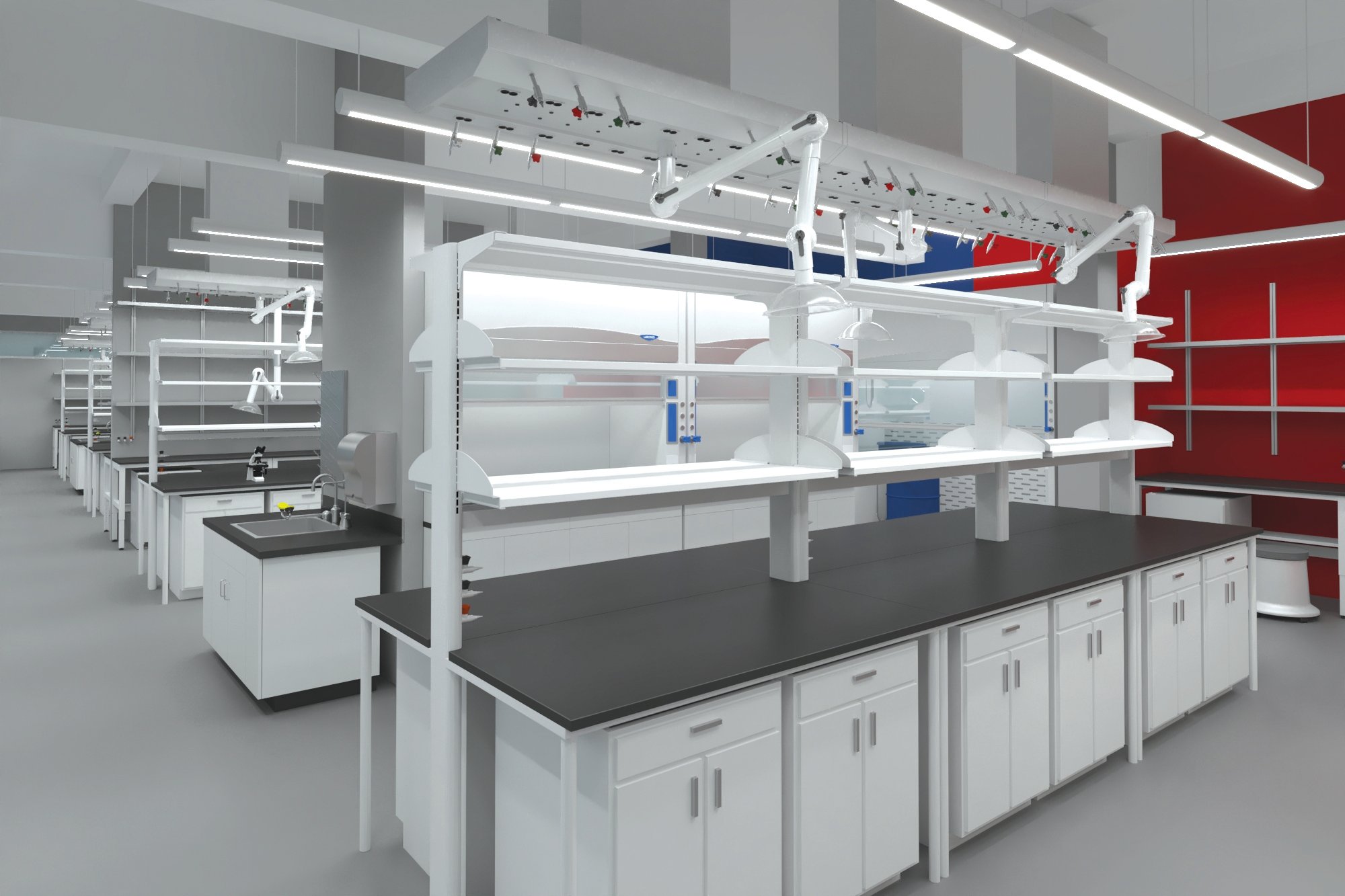
Johns Hopkins University is building a renewable energy lab in Baltimore’s Remington Neighborhood that will focus on energy transition innovations, including carbon management, energy storage, wind power, and grid optimization.
A Johns Hopkins engineering-led team has been awarded $20.9 million over five years to enhance surgical capabilities to treat cancer.
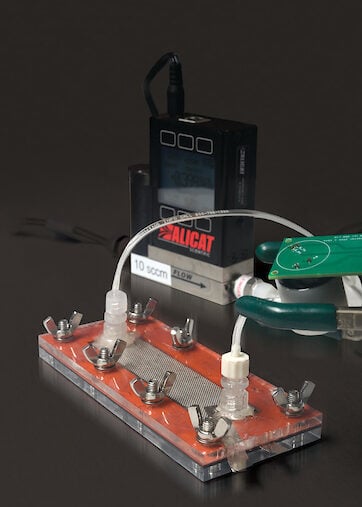
Johns Hopkins researchers develop a cost-effective carbon capture device using indigo dye and electricity, achieving 80% efficiency in tests.
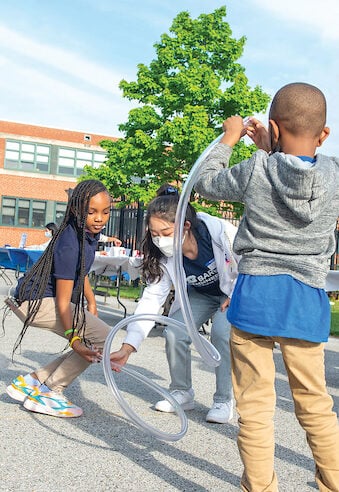
For 20 years, the Whiting School’s Center for Educational Outreach (CEO) has focused on igniting and deepening a passion for STEM in pre-K–12 students and teachers, while strengthening Johns Hopkins Engineering’s connections in the Baltimore community.
The large language models (LLMS) that power many popular text-based artificial intelligence applications are vulnerable to jailbreaking attacks, during which a user enters a malicious prompt to bypass an application’s guardrails to trick it into making inappropriate or harmful content.

Students from JHU’s Center for Bioengineering Innovation and Design (CBID) traveled to India to gain an immersive knowledge of the challenges facing India’s rural and urban clinicians and community health workers.

Bestowing machines with the ability to perceive the physical world as humans do has been a careerlong mission of Alan Yuille, a pioneer in the field of computer vision.

Air pollutants have met their match in environmental scientist Peter DeCarlo and his lab on wheels.
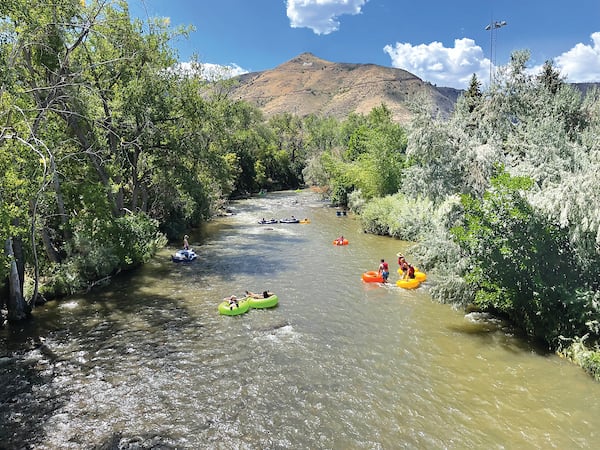
Noor Hamdan explored the impact that recreational activities, specifically floating down a river on an inner tube, might have on water quality.
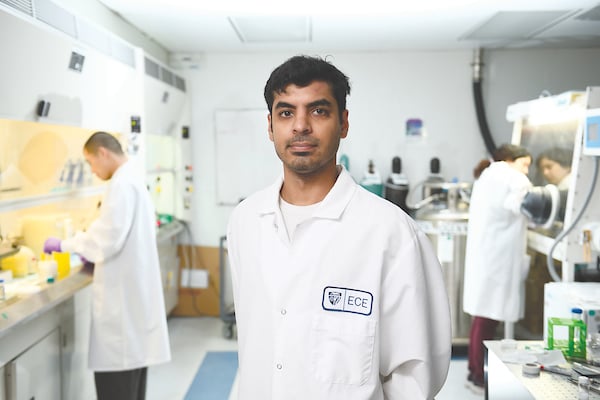
Sreyas Chintapalli, a PhD candidate, is helping Maryland’s state leaders implement some of the country’s most ambitious climate initiatives.
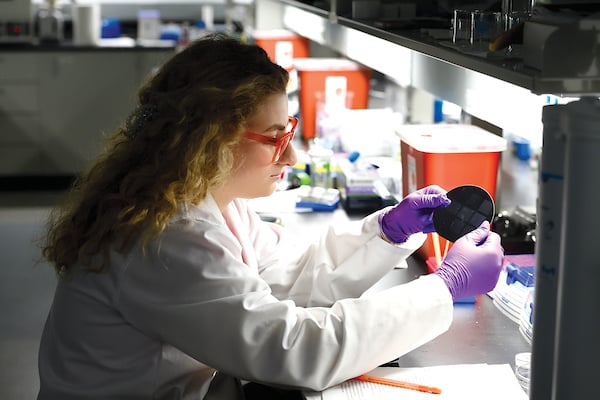
When Jocelyn Freed last visited the National Air and Space Museum in Washington, D.C., the fourth-year materials science and engineering major was drawn to a video showcasing Amy Ross, an engineer who designs space suits for NASA.
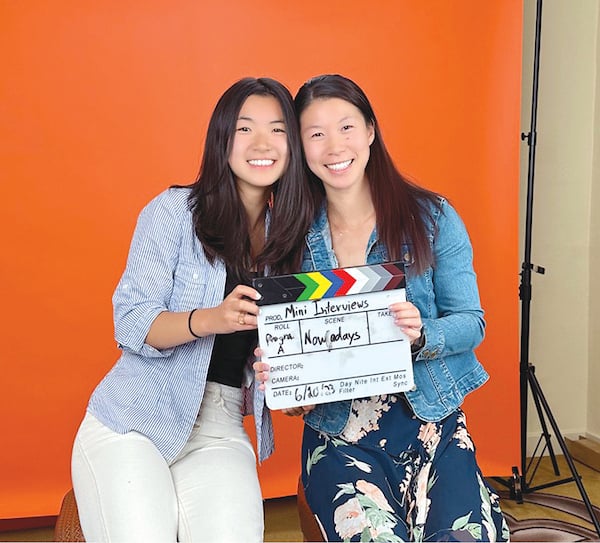
Nowadays uses artificial intelligence to automate event planning challenges in a clean, modern interface for easier decision-making.
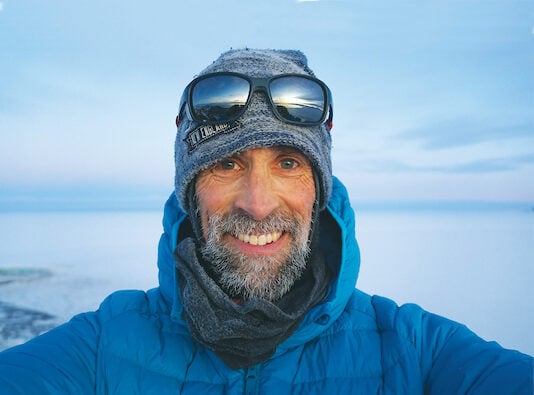
Since 2006, Benjamin Urmston has deployed to Antarctica’s McMurdo Station 10 times through the National Science Foundation’s United States Antarctic program.
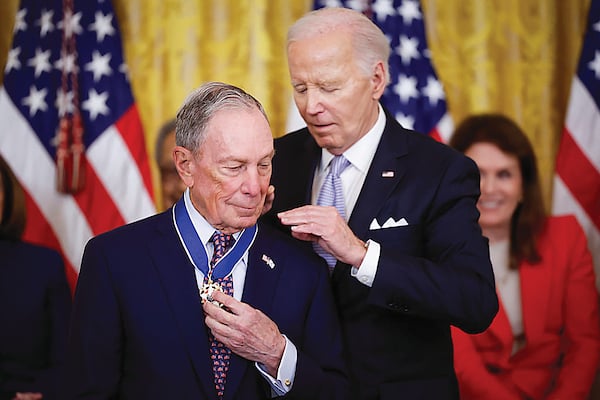
President Biden honored Bloomberg for revolutionizing the financial information industry and for transforming the state of education, the environment, public health, and the arts in New York City as its mayor from January 2002 to December 2013.

The start of a new academic year is always exciting, but this fall—a time when AI and data science underpin so many of our endeavors—is particularly energizing.
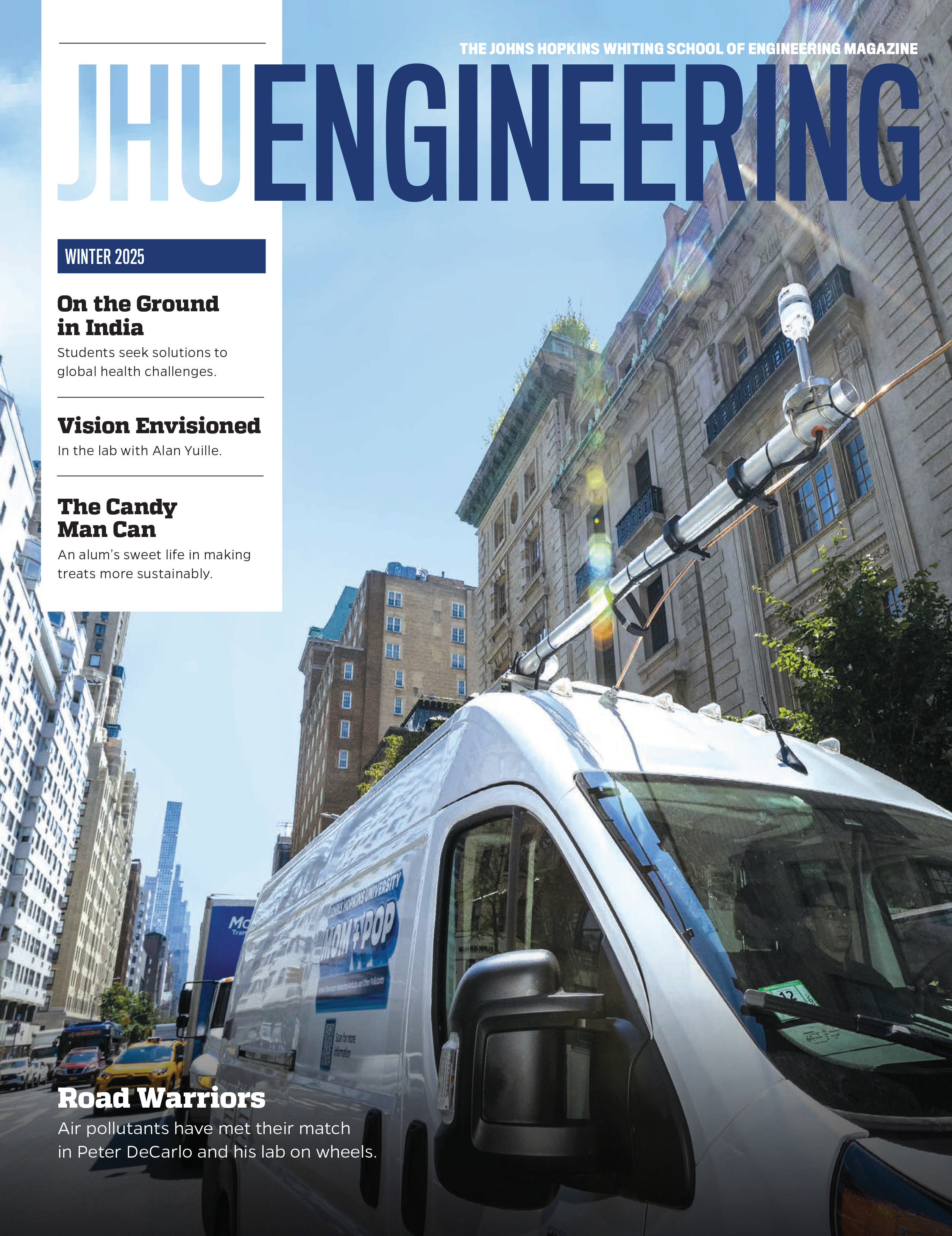
Information about the issue