
Awards and Honors
Johns Hopkins University’s faculty achievements shine with Lauren Gardner winning the Future Insight Prize from Merck, a global life sciences conglomerate based in Germany.


Johns Hopkins University’s faculty achievements shine with Lauren Gardner winning the Future Insight Prize from Merck, a global life sciences conglomerate based in Germany.
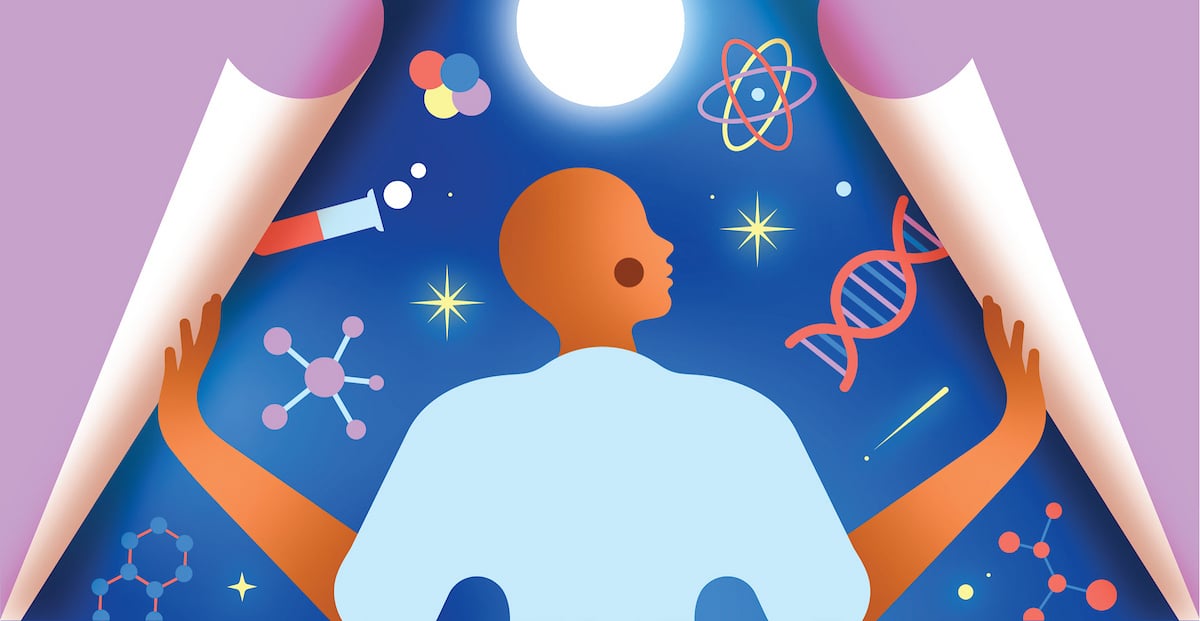
A Johns Hopkins engineering-led team has been awarded $20.9 million over five years to enhance surgical capabilities to treat cancer.
While numbers may not tell the whole story, these statistics and highlights offer some insights into just how talented, driven, inspiring, and accomplished the members of Johns Hopkins Engineering’s class of ’28 are.

Johns Hopkins study reveals COVID-19’s impact on opioid deaths, reducing U.S. life expectancy and disproportionately affecting minority communities, highlighting a growing crisis.

Hopkins Engineering faculty trending in the media
Johns Hopkins engineers have created a new optical tool that could improve cancer imaging.

Students from JHU’s Center for Bioengineering Innovation and Design (CBID) traveled to India to gain an immersive knowledge of the challenges facing India’s rural and urban clinicians and community health workers.

Air pollutants have met their match in environmental scientist Peter DeCarlo and his lab on wheels.

Bestowing machines with the ability to perceive the physical world as humans do has been a careerlong mission of Alan Yuille, a pioneer in the field of computer vision.
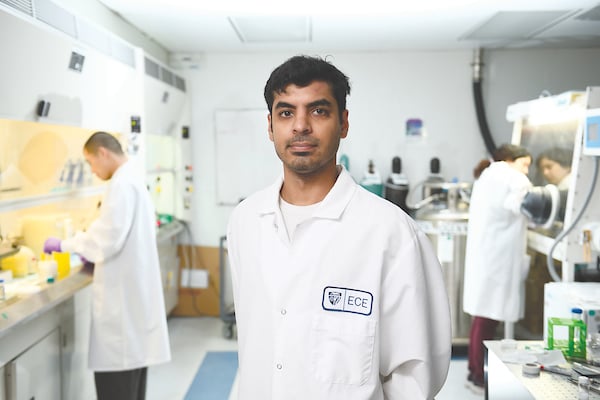
Sreyas Chintapalli, a PhD candidate, is helping Maryland’s state leaders implement some of the country’s most ambitious climate initiatives.

Noor Hamdan explored the impact that recreational activities, specifically floating down a river on an inner tube, might have on water quality.
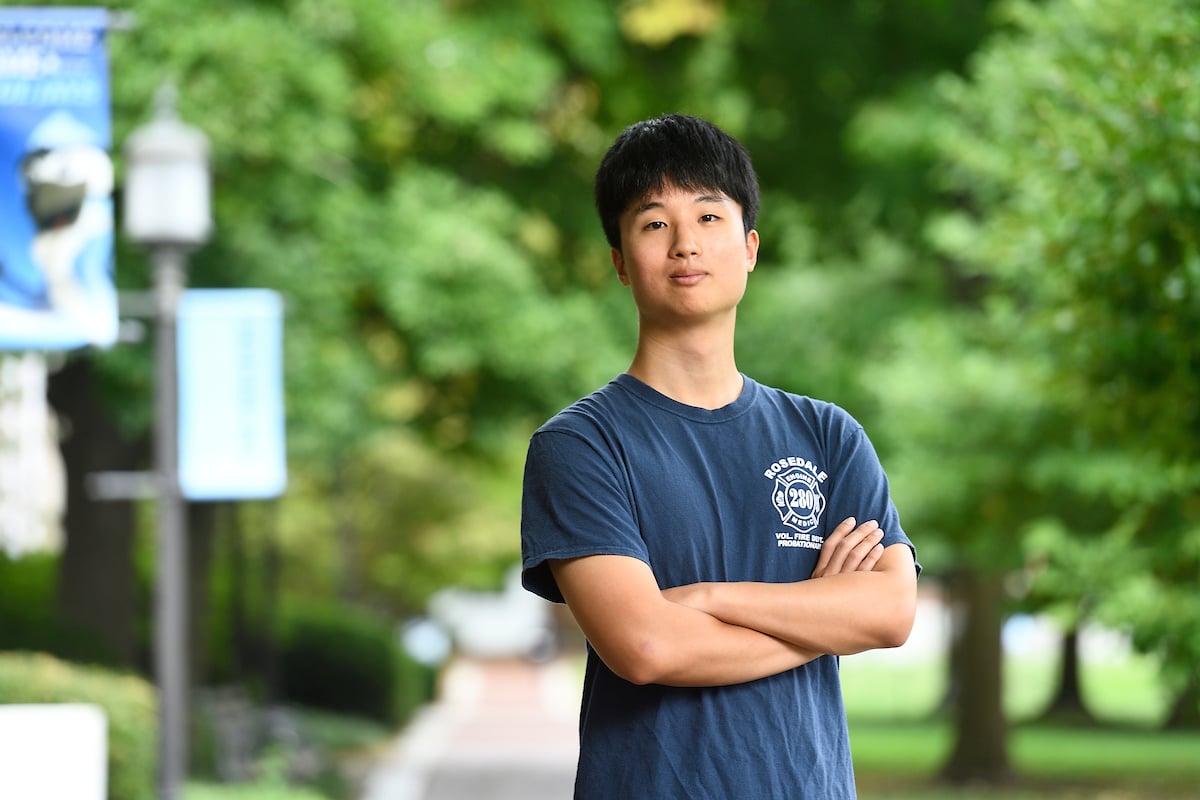
Jooyoung Ryu, a third-year student majoring in computer science, is using his Provost’s Undergraduate Research Award to train a machine learning model to better distinguish between stress cardiomyopathy and other acute cardiac syndromes.
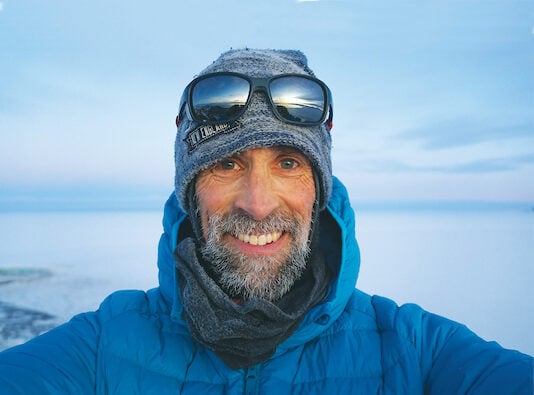
Since 2006, Benjamin Urmston has deployed to Antarctica’s McMurdo Station 10 times through the National Science Foundation’s United States Antarctic program.
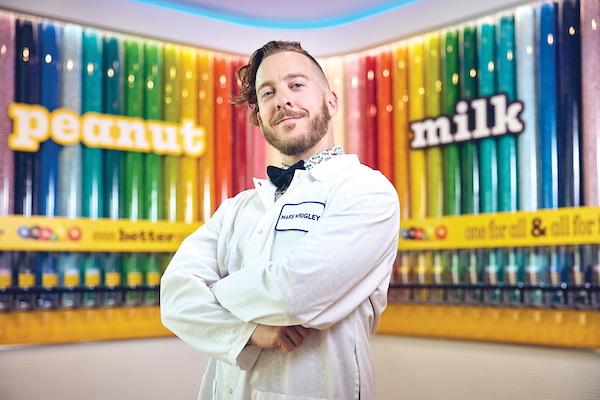
As the world’s leading manufacturer of chocolate, chewing gum, mints, and fruity confections, Mars has pledged to cut greenhouse gas emissions by 50% by 2030, and every process is up for reinvention.

Adrian Johnston founded DUA, an early-stage startup that shows early promise for treating solid tumors like breast, lung, and stomach cancers, among others.

The start of a new academic year is always exciting, but this fall—a time when AI and data science underpin so many of our endeavors—is particularly energizing.
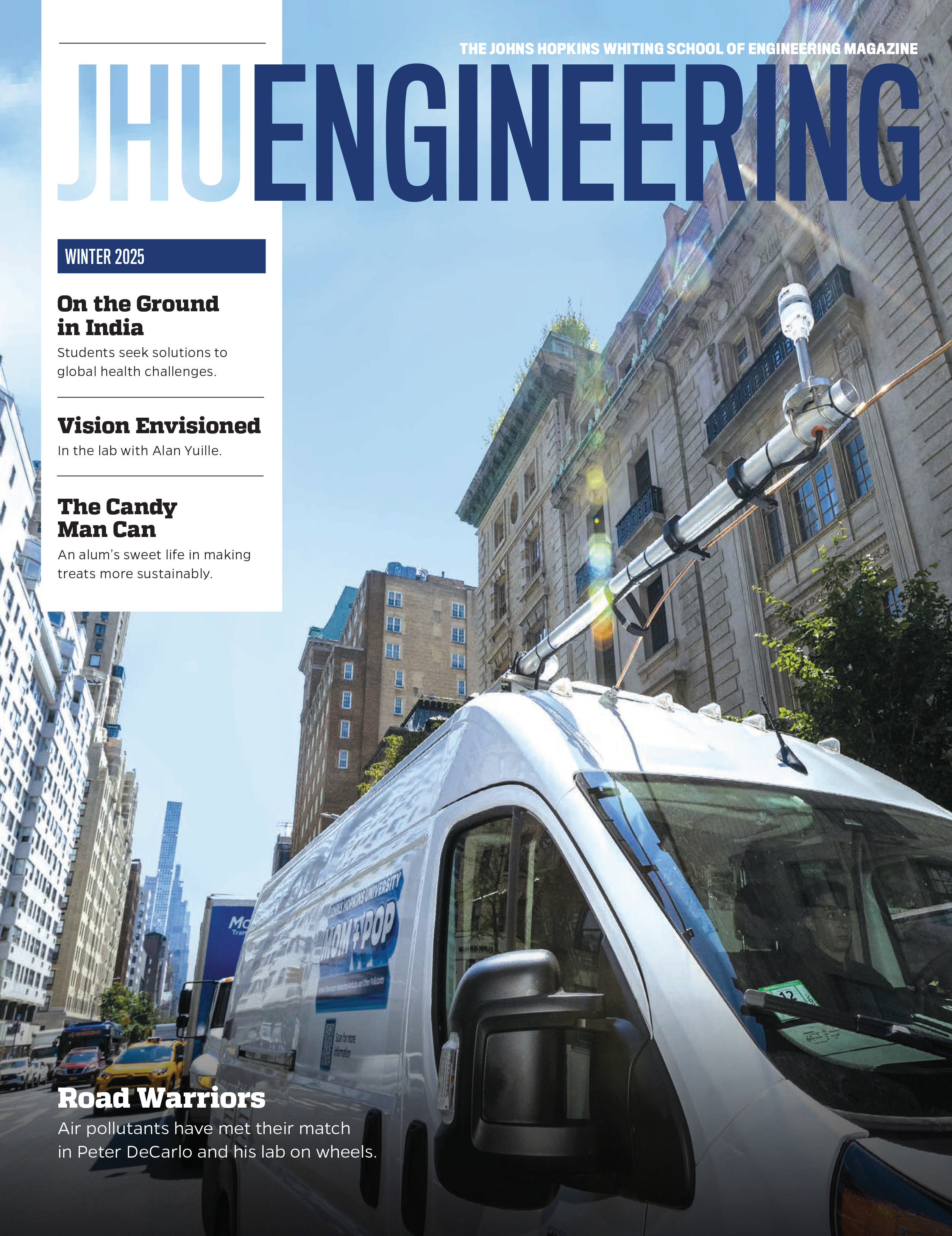
Information about the issue